Advantages of Panel-Based Water Tanks over Traditional Water Tanks
Discover the top 10 advantages of panel water tanks over traditional tanks, from durability and flexibility to easier installation and maintenance.
Written by
Seah Kevin
Sales Manager, Magtech General
- Tank Types & Materials
- Published September 4, 2024
- Updated September 3, 2026
When it comes to water storage solutions, choosing between traditional water tanks and modern panel water tanks is crucial. As industries and households demand more efficient, durable, and scalable water storage options, panel water tanks have emerged as the superior choice. This blog explores the numerous advantages of panel water tanks over traditional ones, highlighting why they are becoming the preferred solution for many.
1. Customizable Sizes and Capacities
Unlike traditional water tanks, which come with fixed capacities, panel water tanks offer immense flexibility in size and capacity. These tanks are constructed using individual panels, allowing them to be customized to fit any space or capacity requirement. Whether you need a small tank for a residential property or a large tank for industrial use, panel water tanks can be tailored to meet your specific needs.
2. Ease of Transportation and Installation
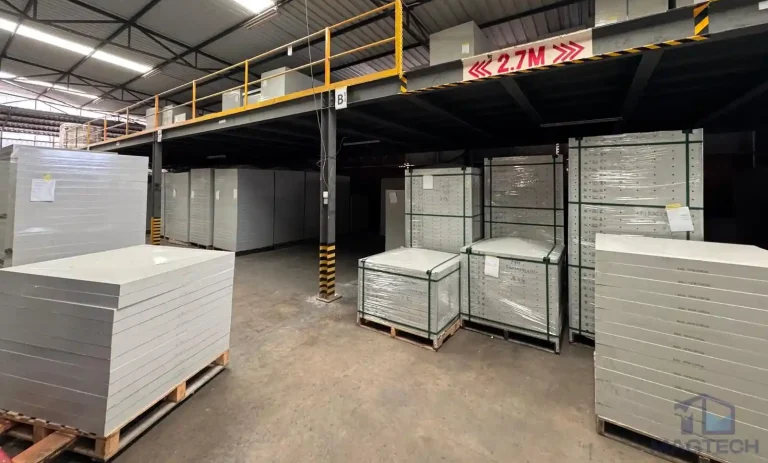
One of the standout features of panel water tanks is their modular design. The individual panels can be transported separately and assembled on-site. This reduces transportation costs and minimizes the risk of damage during transit. In contrast, traditional water tanks, especially large ones, often require specialized vehicles and equipment for transportation and installation, making the process more cumbersome and expensive.
3. Enhanced Durability and Longevity
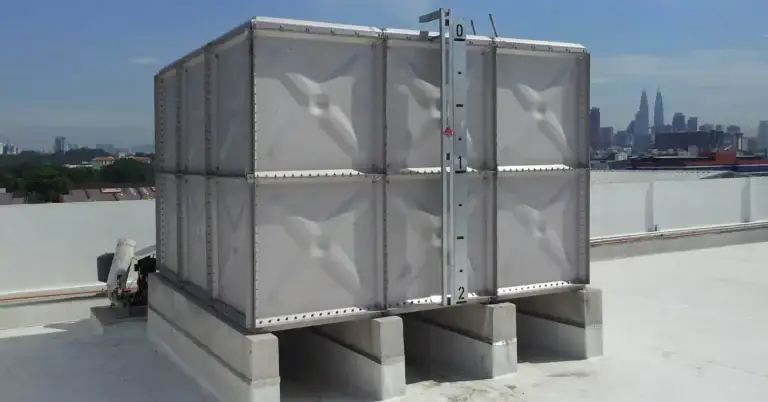
Panel water tanks are often made from high-quality materials such as Fiber Reinforced Plastic (FRP), Glass Reinforced Plastic (GRP), or stainless steel. These materials offer superior resistance to corrosion, UV radiation, and extreme weather conditions compared to materials used in traditional tanks like mild steel or concrete. This resistance ensures that panel water tanks have a longer lifespan, require less maintenance, and provide a more reliable water storage solution.
4. Improved Hygiene and Water Quality
Maintaining water quality is crucial, especially for drinking water and sensitive industrial applications. Panel water tanks are designed with smooth, non-porous surfaces that prevent algae growth and bacterial contamination. In contrast, traditional tanks made of concrete or other porous materials can harbor bacteria and impurities over time. Additionally, the modular design allows for easy cleaning and maintenance, ensuring that the stored water remains clean and safe.
5. Leak-Proof Design
Traditional water tanks, particularly those made from concrete, are prone to cracks and leaks over time due to settling or ground movement. Panel water tanks, however, are designed to be completely leak-proof. The panels are bolted together with precision engineering and sealed with high-quality gaskets, ensuring a tight, secure fit that prevents leaks. This feature not only conserves water but also reduces the risk of structural damage to the surrounding area.
6. Cost-Effective Maintenance
The modular nature of panel water tanks allows for individual panels to be replaced or repaired if damaged, rather than replacing the entire tank. This capability significantly reduces maintenance costs and downtime. Traditional tanks, on the other hand, often require extensive repairs or even replacement if they develop significant issues, leading to higher long-term costs.
7. Environmentally Friendly Options
Panel water tanks are often made from recyclable materials like GRP or stainless steel, making them a more sustainable option compared to traditional tanks. Traditional tanks may involve more environmentally damaging production processes. Additionally, the modular design allows for future scalability without discarding existing infrastructure, minimizing waste and promoting sustainability.

8. Adaptability to Various Applications
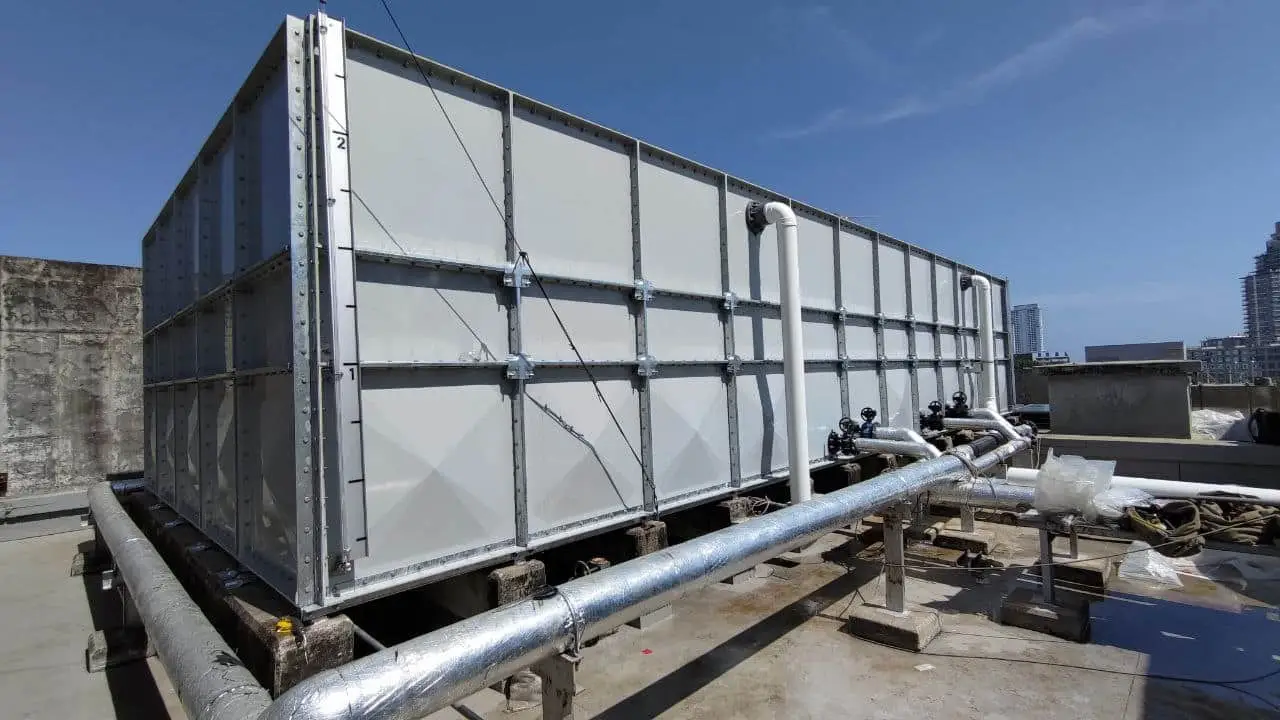
From residential complexes and commercial buildings to industrial sites and agricultural fields, panel water tanks are versatile and adaptable to a wide range of applications. Their modular design allows for customization in terms of shape, size, and capacity, making them suitable for various installation environments. This flexibility is often lacking in traditional water tanks, which are limited by their fixed shapes and sizes.
9. Superior Thermal Insulation
Many panel water tanks are designed with materials that provide excellent thermal insulation, ensuring that the water temperature remains stable. This feature is especially beneficial in regions with extreme weather conditions, where maintaining water temperature is crucial. Traditional tanks, depending on their material, may not offer the same level of thermal protection, leading to increased evaporation or freezing risks.
10. Compliance with Industry Standards
Panel water tanks are designed and manufactured to meet international quality standards, including ISO and WRAS certifications. These standards ensure that the tanks are safe, reliable, and suitable for use in various applications, including drinking water storage. Traditional water tanks may not always meet such stringent standards, potentially posing risks to water quality and safety.
Conclusion
Panel water tanks provide a modern, efficient, and reliable alternative to traditional water storage solutions. Their modular design, ease of installation, durability, and adaptability make them a preferred choice for many industries and applications. As more businesses and households seek sustainable and cost-effective water storage options, the shift towards panel water tanks is set to continue.
If you are considering upgrading your water storage solution, explore the benefits of panel water tanks and make a decision that ensures safety, efficiency, and longevity.
Furthermore, in many countries, the trend of panel water tanks is on the rise, driven by their ability to cater to diverse needs, from residential and commercial projects to large-scale industrial applications. This growing popularity highlights the global move towards more innovative and flexible water storage solutions that offer both performance and peace of mind.
Water tank assessment
Not sure how much life your tank has left?
Send us photographs of the tank and installation area, or arrange a site assessment.
Recent Posts
Need project advice?
Discuss Your Water Tank Requirements
Our team will respond within 24–48 hours.
Tank Types & Materials Questions
What is the difference between FRP/GRP and steel water tanks?
FRP (Fiberglass Reinforced Plastic) and GRP (Glass Reinforced Plastic) tanks are the same material referred to by different names. They are significantly more affordable than steel tanks and are easier to maintain, making them the most common choice for general water storage applications in Singapore.
Steel tanks — whether HDG pressed steel or stainless steel — are typically heavier-duty, may offer a longer service life, and are often required for specific applications such as fire protection systems. However, they come at a higher cost.
We are happy to go through the options with you in more detail — feel free to contact us.
What is the difference between SS304 and SS316 stainless steel tanks?
Both are stainless steel, but they serve different purposes:
- SS316 is suitable for potable (drinking) water storage. In Singapore, only SS316 and FRP/GRP tanks comply with standards for drinking water use.
- SS304 is suitable for non-potable water storage and fire protection applications. It is a more cost-effective option and is widely used for industrial and commercial water storage.
If your water is not for drinking purposes, SS304 is generally the more practical and economical choice. If drinking water compliance is required, SS316 is the appropriate option.
Are your HDG pressed steel tanks approved for fire protection use in Singapore?
Yes. Our HDG pressed steel tanks are SS22 approved, which is the standard required for fire protection water tanks in Singapore under SCDF requirements. They are suitable for sprinkler systems, hosereel systems, and wet riser systems.
Please note that while we supply and install SS22-compliant tanks, we do not handle the SCDF submission process directly. If you require end-to-end support including regulatory submissions, we can connect you with our trusted partners who specialise in this.
Do you supply insulated water tanks?
Yes. We offer insulated FRP/GRP water tanks for applications where temperature control of stored water is important. Contact us to find out if an insulated tank is suitable for your requirements.